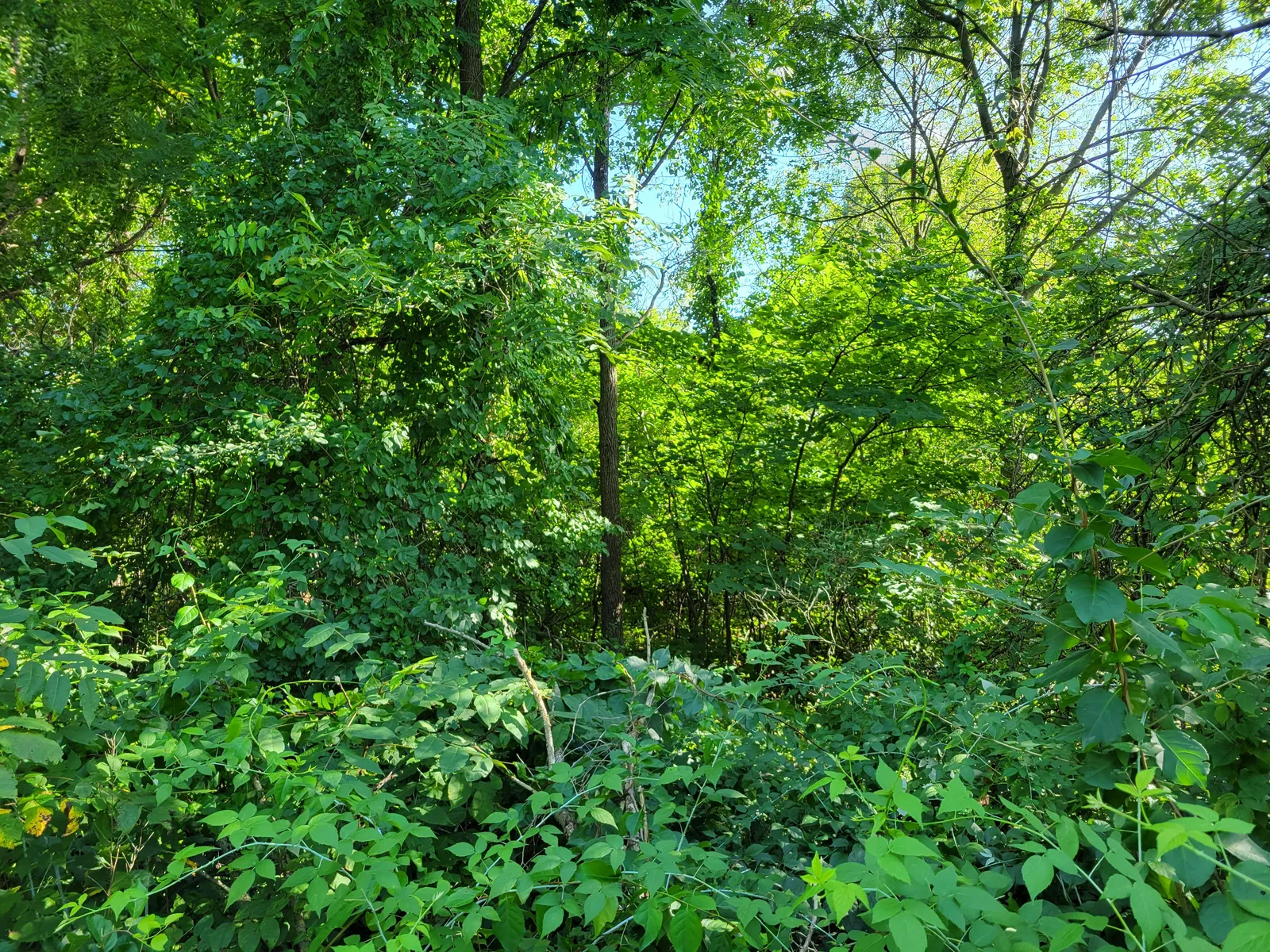
Brush Clearing
We clear thick brush, undergrowth and small trees off lots, field edges, fence lines and back acreage. The material gets mulched in place or raked into a pile.
Learn More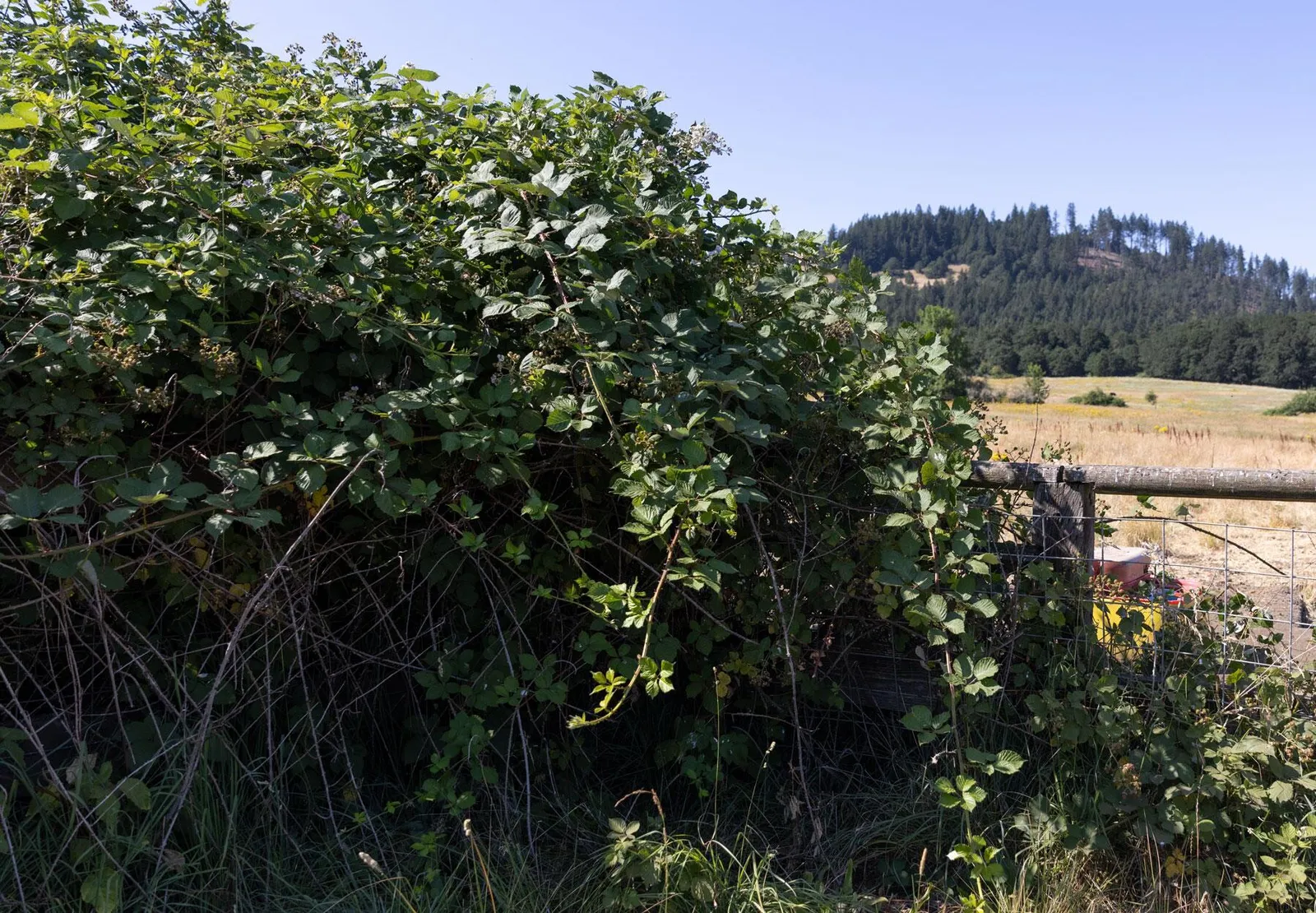
Himalayan blackberry takes a field back faster than almost anything else in this valley. It creeps out of a fence line or a ditch bank, then closes over open ground. Oregon lists it as a noxious weed, and western Oregon is where it does the most damage. Blackberry removal on ground like that is machine work.
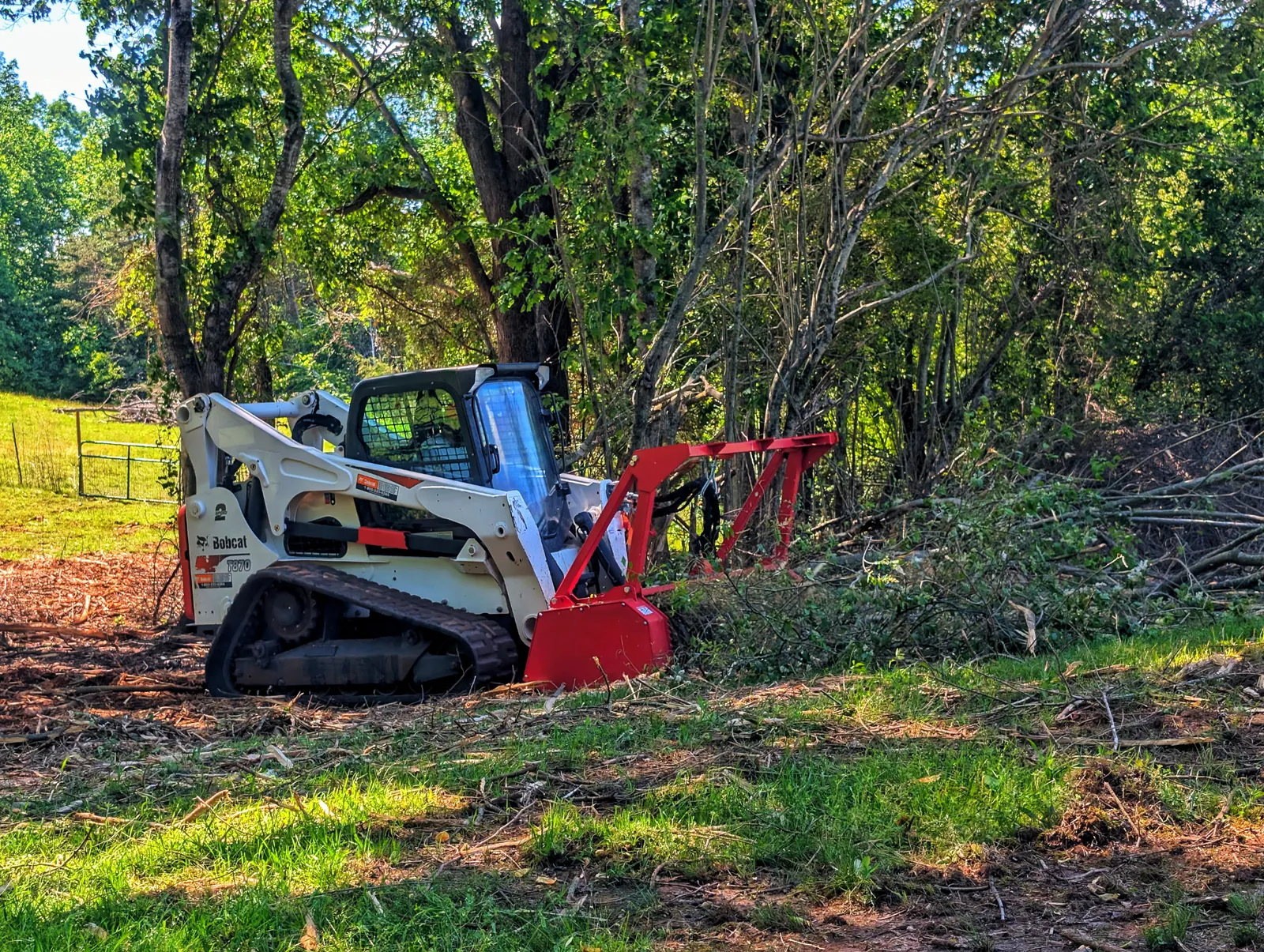
We clear blackberry with a Bobcat skid steer and an excavator, both running forestry mulcher heads. The mulcher grinds the canes and the thick stems into chips right where they stand. Where you want the root balls out, the excavator digs and rakes them up. It is the same equipment we run for land clearing across the mid-Willamette Valley.
Tell us about the job. We will get right back to you.
Blackberry does not spread the way a normal weed does. A cane grows to about 15 feet tall, then arches over and trails along the ground. Those trailing canes can run 40 feet long. Oregon's noxious weed profile says the stems often push more than 20 feet in one season.
Where the tip of a cane touches soil, it roots and starts a new plant. The canes root at the joints along the stem too. That is how a thin line of blackberry on a fence becomes a wall in a few seasons. Birds do the rest, dropping seed where they perch on wire and posts.
Under all of it sits a woody root crown, a hard ball at the base of each plant. Every crown can push a fresh set of canes after the tops come off. Forest Service work in western Oregon counted about ten root crowns in a square meter. Cutting only the top growth is why blackberry keeps coming back.
We come out, look at the property with you, and give you a free estimate. Thickets hide old wire, fence posts, stumps and rock, so we check the edges first. Most blackberry jobs carry mixed scrub as well, which we handle like our brush clearing work.
The first pass is the mulcher head. It grinds the canes, the woody stems and the small trees inside the thicket into chips. That is the same forestry mulching work we run on overgrown acreage. The chips drop where they stood and hold bare soil through the wet months.
Once the top growth is gone we can see the crowns. Where you want them out, the excavator digs and rakes the root balls up. Oregon State Extension's forest weed guide says machine root removal works, though it usually leaves some root behind. Blackberry grows back hard after fire, so burning the cut material does not fix it either.
Clearing the mass is one job. Keeping it down is the second one, and it is where most blackberry projects fall apart. Seed sits in the soil for several years, and any root left behind can send up canes. The state's weed profile says a control plan is short-lived if it ignores that seed.
We do not spray herbicide. Regrowth control here is machine work. We mow or mulch the new canes again, on a schedule that fits the ground. Oregon State Extension says repeated mowing over several years is what wears a stand down.
Once the ground is open, a mower keeps it open. That is usually a brush hogging pass more than once through the growing season. Cutting a stand one time and walking away tends to make it branch and sucker back. Ground that gets mowed or grazed holds. Ground left alone goes back to blackberry.
From the first call or text to the final look at the cleared ground, here is how it goes.
Tell us where the property is and what you want cleared. Rough acreage and a couple of photos give us a good start.
We come out, look over the ground and talk through the scope with you. Then you get a free estimate for that scope of work.
Before the machines move, we sort out access and timing. Oregon law typically calls for an 811 utility locate ahead of ground-disturbing work. In summer, Oregon Department of Forestry fire season rules can limit power equipment hours. We plan the job around whatever applies to your property.
The mulcher head grinds brush and small trees into chips in place. The brush rake pulls stumps and root balls where the ground has to come clean.
We spread the chips out and smooth the cleared ground where it needs it. Then we go over the finished work with you before we load up.
Common questions about blackberry removal across the mid-Willamette Valley. If yours is not here, call or text and ask.
We clear thick brush, undergrowth and small trees off lots, field edges, fence lines and back acreage. The material gets mulched in place or raked into a pile.
Learn More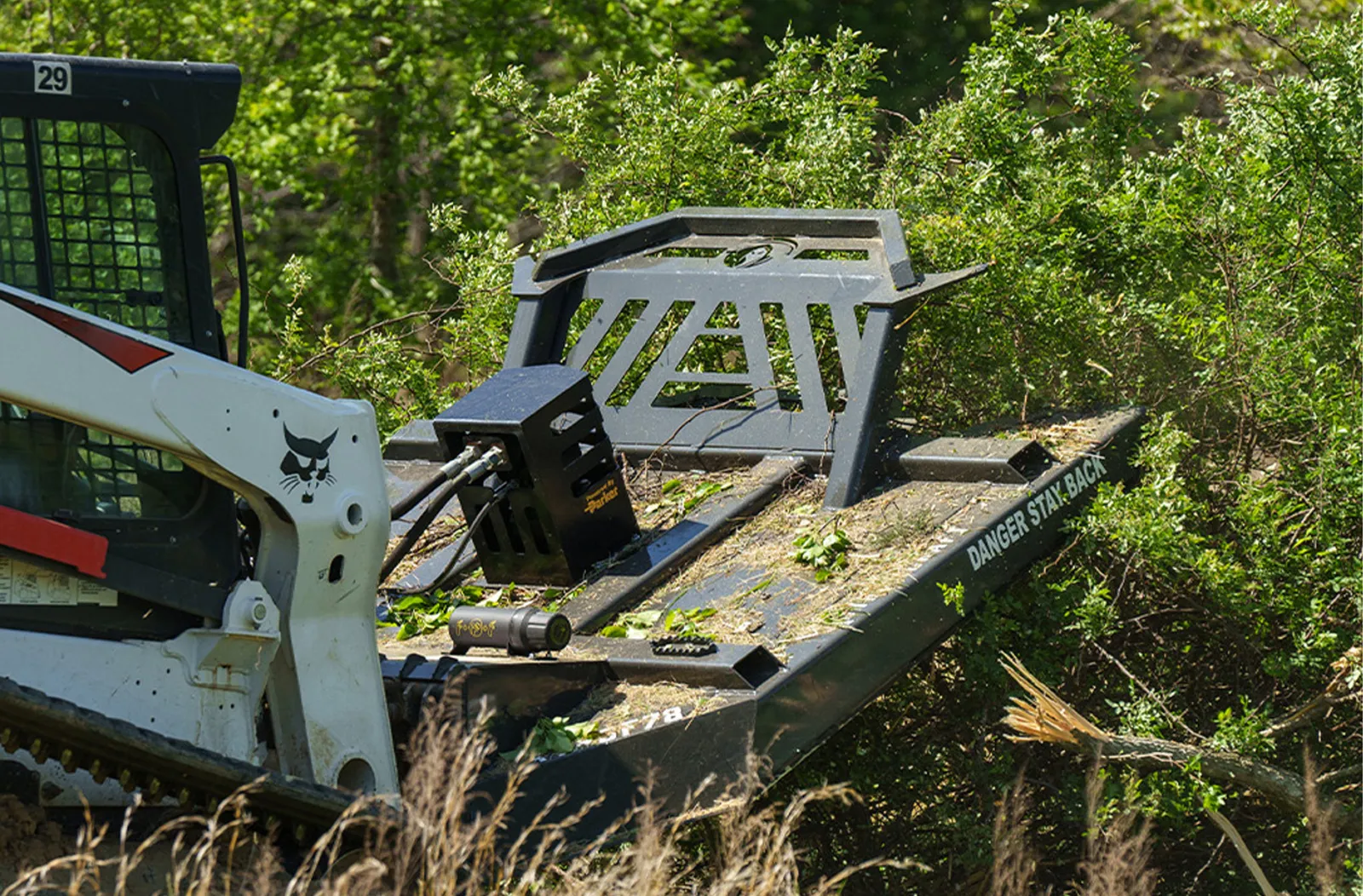
We brush hog overgrown fields, pasture and heavy weeds with a skid steer brush mower. Free estimates across the mid-Willamette Valley from our base in Lebanon.
Learn More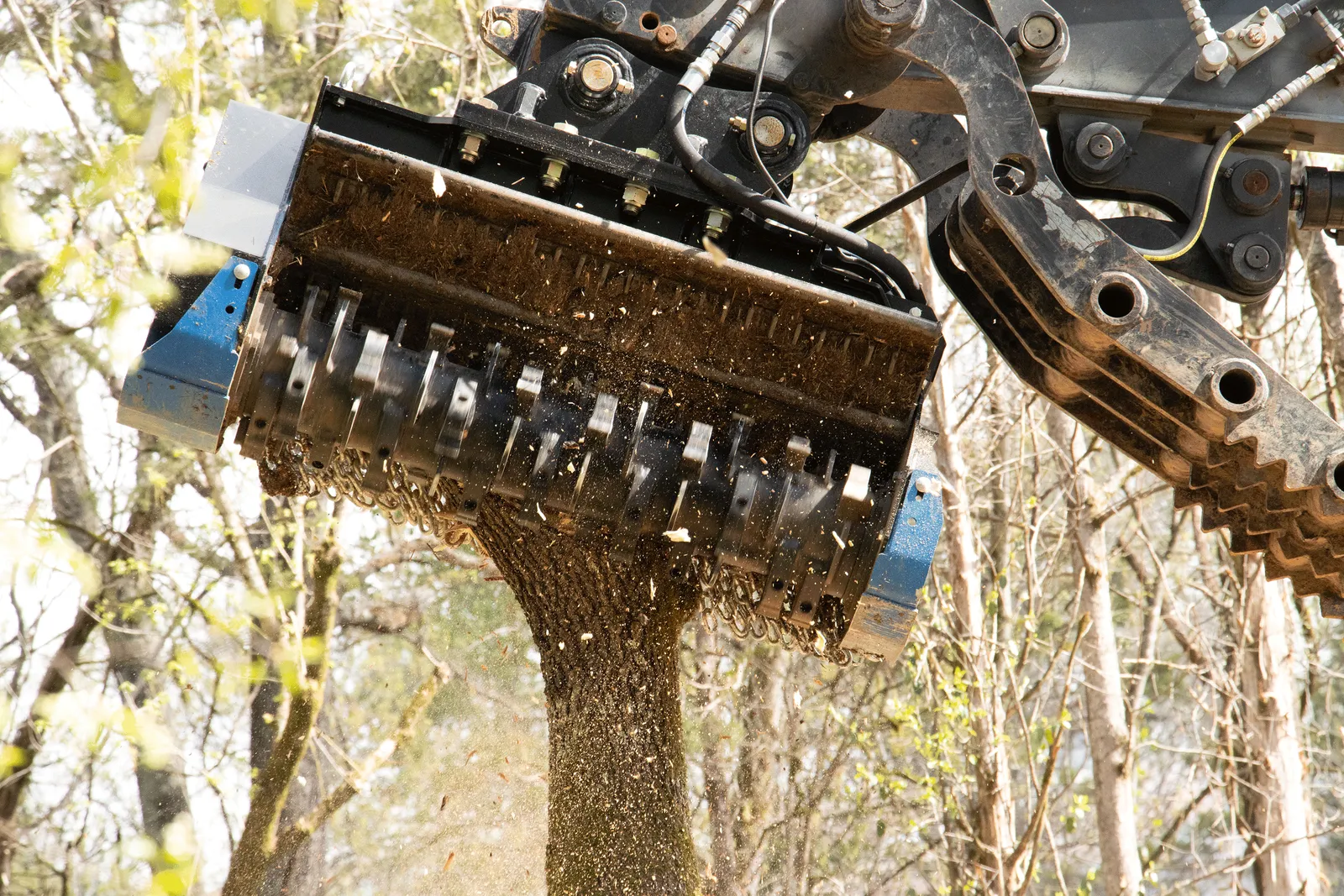
A mulcher head grinds brush and small trees into chips in one pass. You get the ground back under a layer of chips.
Learn MoreOur Bobcat skid steer carries a forestry mulcher head and a heavy brush mower. The excavator adds a mulching head and a brush rake, so stumps and root balls come out as we go.
Estimates are free in Linn, Benton, Marion, Polk and Lane counties. Tell us where the property sits and what you want cleared, and we will come look at it.
The same machines cut the growth, mulch the material and smooth the cleared ground. One company covers the work from the first pass to the last look.
Reach us at (541) 936-4687 by call or by text. A few photos of the property help us size up the job before we drive out.
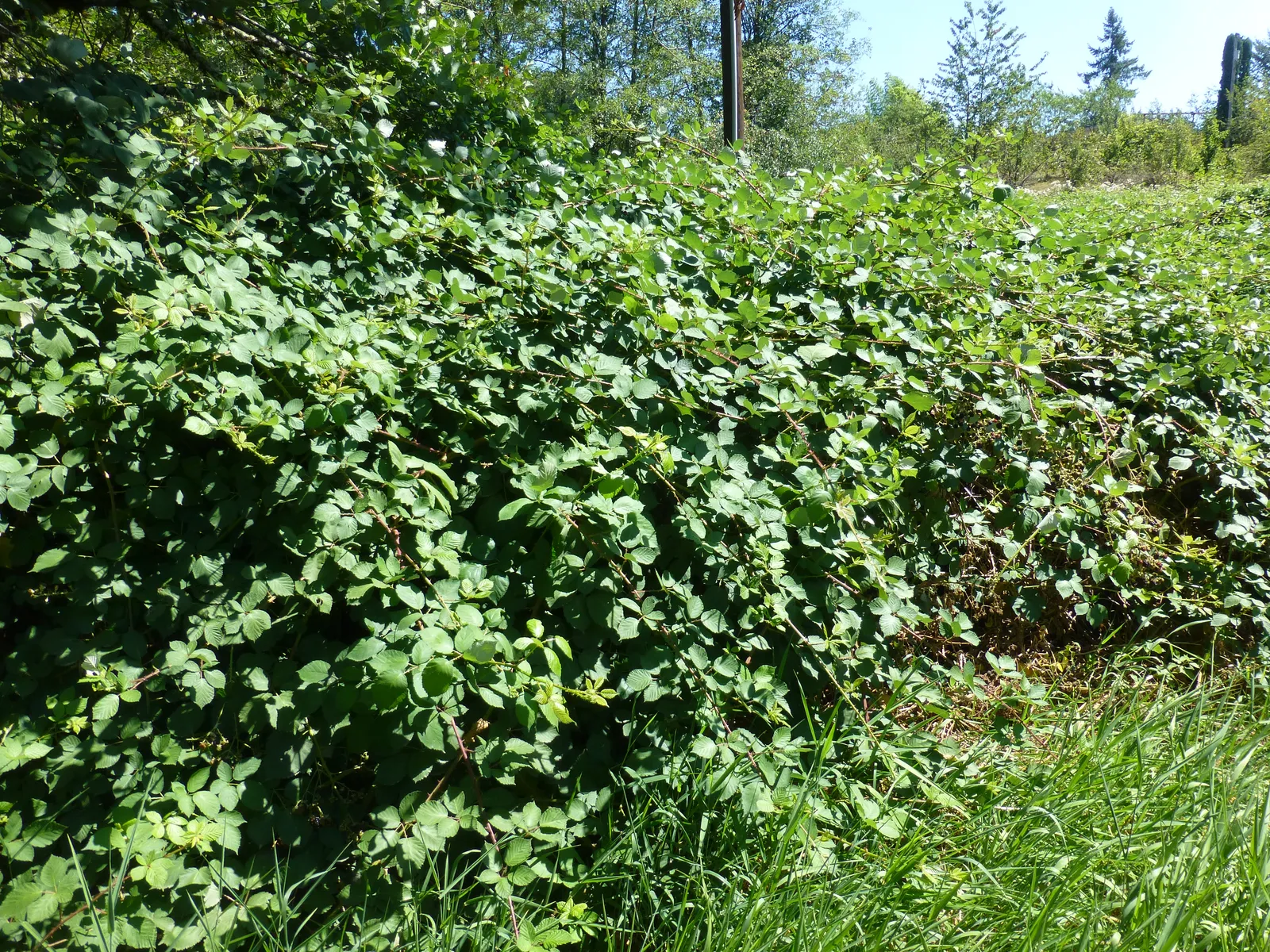
Himalayan blackberry regrows from root crowns, so one cut never kills it. What works on Willamette Valley ground. Call or text (541) 936-4687.
Read more →How much does brush hogging cost? Published per acre and per hour field mowing rates, what moves the price, and how Oregon fields get quoted.
Read more →Tell us where the property is and what you want cleared, and we will set up a look at it. You can also call or text (541) 936-4687.
Tell us about the job. We will get right back to you.