Brush Clearing
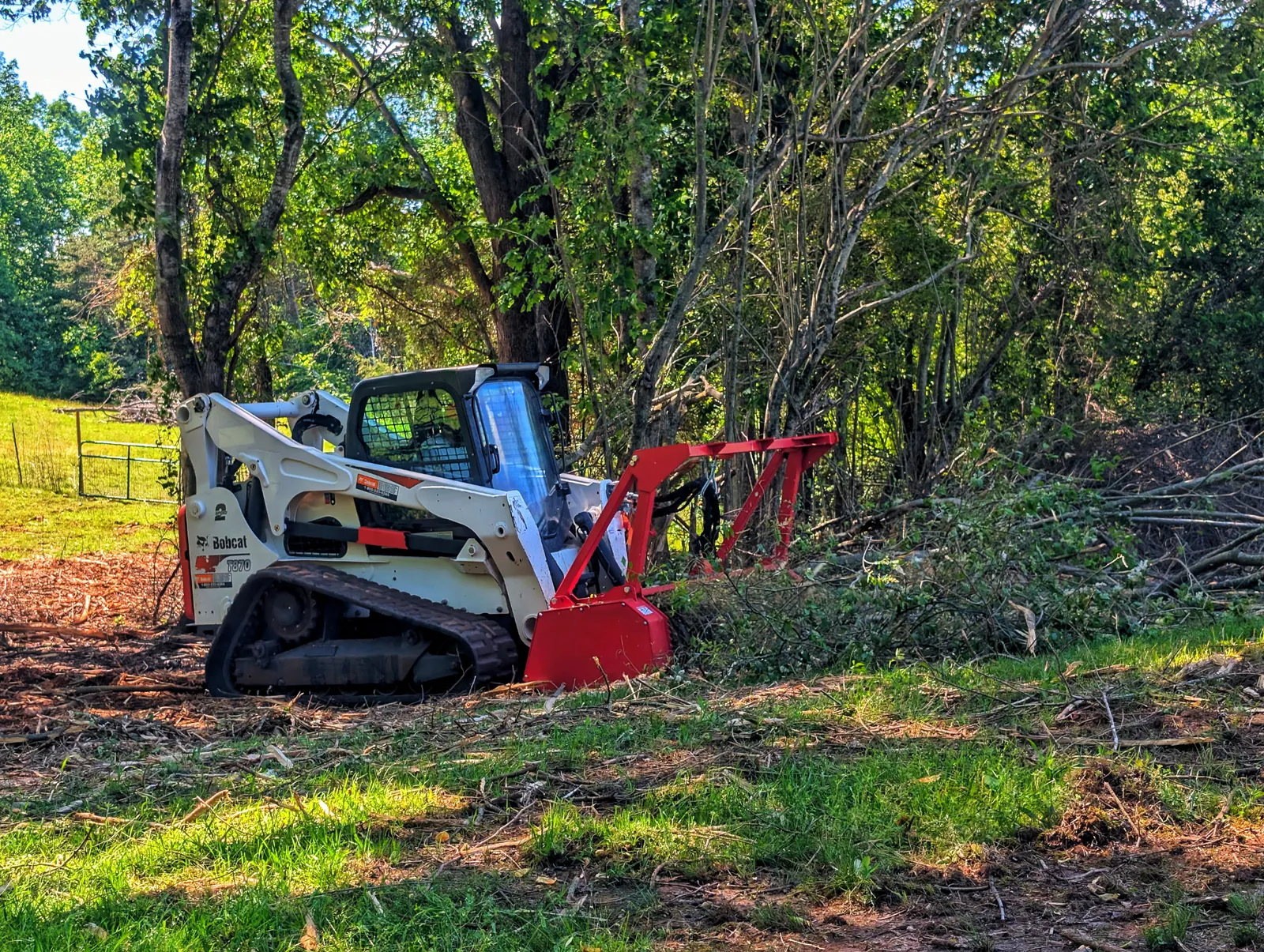
We clear thick brush, undergrowth and small trees off lots, field edges, fence lines and back acreage. The material gets mulched in place or raked into a pile.
Learn More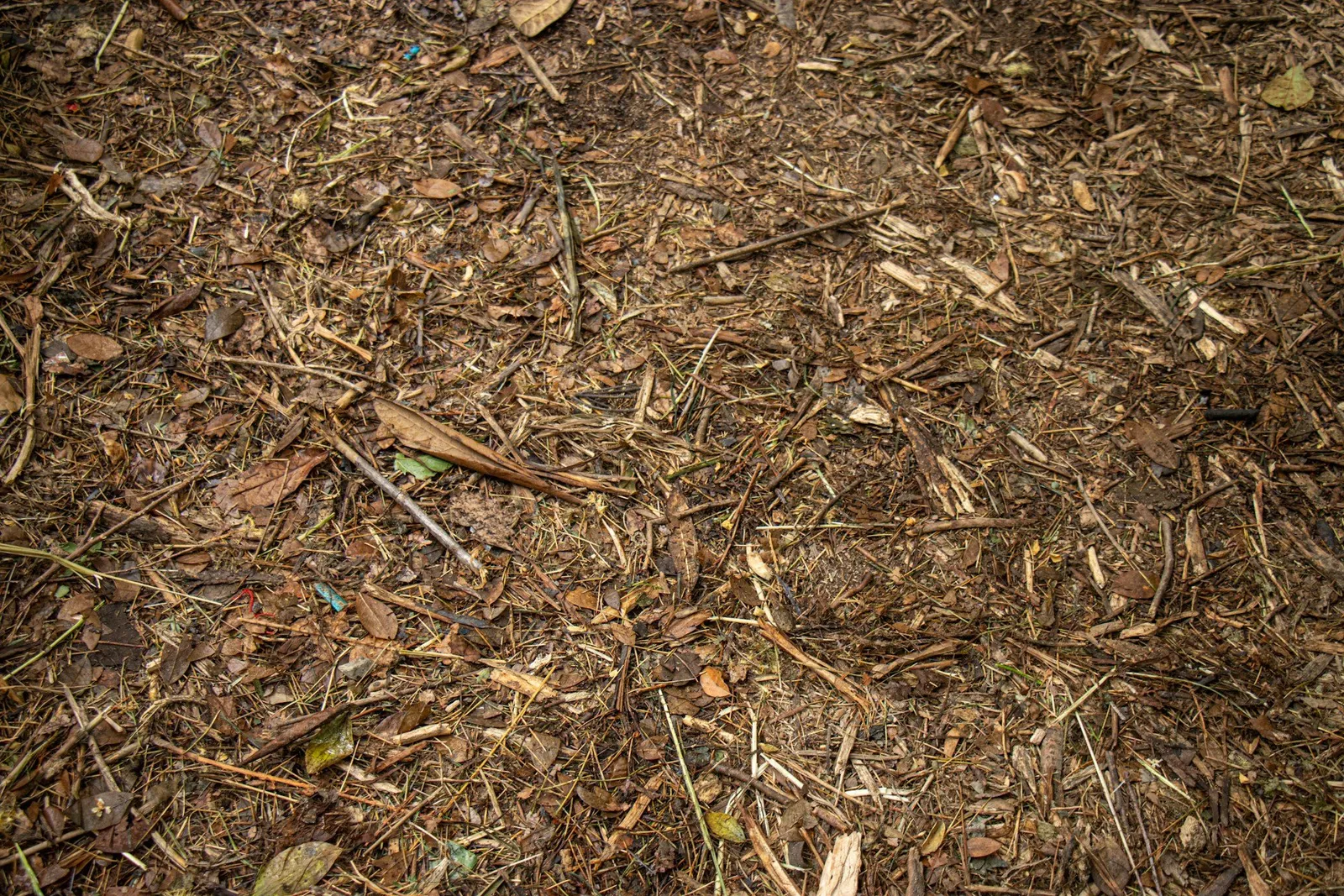
Forestry mulching grinds standing brush and small trees into chips right where they grow. A mulcher head on the machine cuts the material down and shreds it in one pass. What you get back is open ground under a layer of wood chips. We do this work out of Lebanon and across the mid-Willamette Valley.
Most mulching jobs here are overgrown acreage, field edges and understory that has closed in over the years. The head takes brush, vine growth and saplings in the same pass. Stump dig-outs and whole-lot work belong to a land clearing job. We look at that on the same visit, and estimates are free.
Tell us about the job. We will get right back to you.
After the pass, the ground is covered in chips and the standing growth is gone. You can see the shape of the land again and get a machine or a vehicle across it. Stumps are left low where the head reached them. If one has to come out, that is dig-out work with the excavator.
How deep the chips sit depends on how thick the growth was. A heavy tangle leaves more material than a thin understory does. The layer settles and breaks down over a season or two.
Some ground is better raked and piled than mulched, and that falls under brush clearing. Heavy woody debris, root balls and rock do not go through a mulcher head. We tell you which way a piece of ground should be handled when we look at it.
Clearing by pile and burn runs on the county calendar. Linn County typically opens outdoor burning March 1 to June 15 and again October 1 to December 15. Those dates move with fire conditions, and each burn day gets checked on the county burn line.
Rules change by county and fire district. In Lane County they are tighter, and backyard burning is typically not allowed inside Eugene city limits. Mulching leaves the material on the ground as chips, so the calendar stays yours. One machine does the cutting and the cleanup in the same pass.
The valley floor takes roughly 40 inches of rain a year. About half of that falls from December through February. Ground here is silt and clay loam that holds water into spring. A chip layer takes the beating of that rain instead of bare soil, which is where sheet erosion starts.
Oregon fire season shapes the summer schedule. The state forestry district that covers this area typically declares fire season in June. Under regulated use, power equipment work typically means fire tools on the machine and a fire watch after shutdown. On higher danger days, cutting and mowing dried grass typically stop in the early afternoon or sooner.
Near forestland, Industrial Fire Precaution Levels typically limit or stop power equipment for part of the day. We check the level for the area and plan the work around it. Summer is also when people want fuels cut back around a house, which is defensible space clearing.
Winter is the other limit. Valley clay loam softens from the fall rain through spring, so access drives the plan. Late summer and early fall give the firmest ground, and late spring works before the fire rules tighten.
From the first call or text to the final look at the cleared ground, here is how it goes.
Tell us where the property is and what you want cleared. Rough acreage and a couple of photos give us a good start.
We come out, look over the ground and talk through the scope with you. Then you get a free estimate for that scope of work.
Before the machines move, we sort out access and timing. Oregon law typically calls for an 811 utility locate ahead of ground-disturbing work. In summer, Oregon Department of Forestry fire season rules can limit power equipment hours. We plan the job around whatever applies to your property.
The mulcher head grinds brush and small trees into chips in place. The brush rake pulls stumps and root balls where the ground has to come clean.
We spread the chips out and smooth the cleared ground where it needs it. Then we go over the finished work with you before we load up.
Common questions about forestry mulching across the mid-Willamette Valley. If yours is not here, call or text and ask.
We clear thick brush, undergrowth and small trees off lots, field edges, fence lines and back acreage. The material gets mulched in place or raked into a pile.
Learn More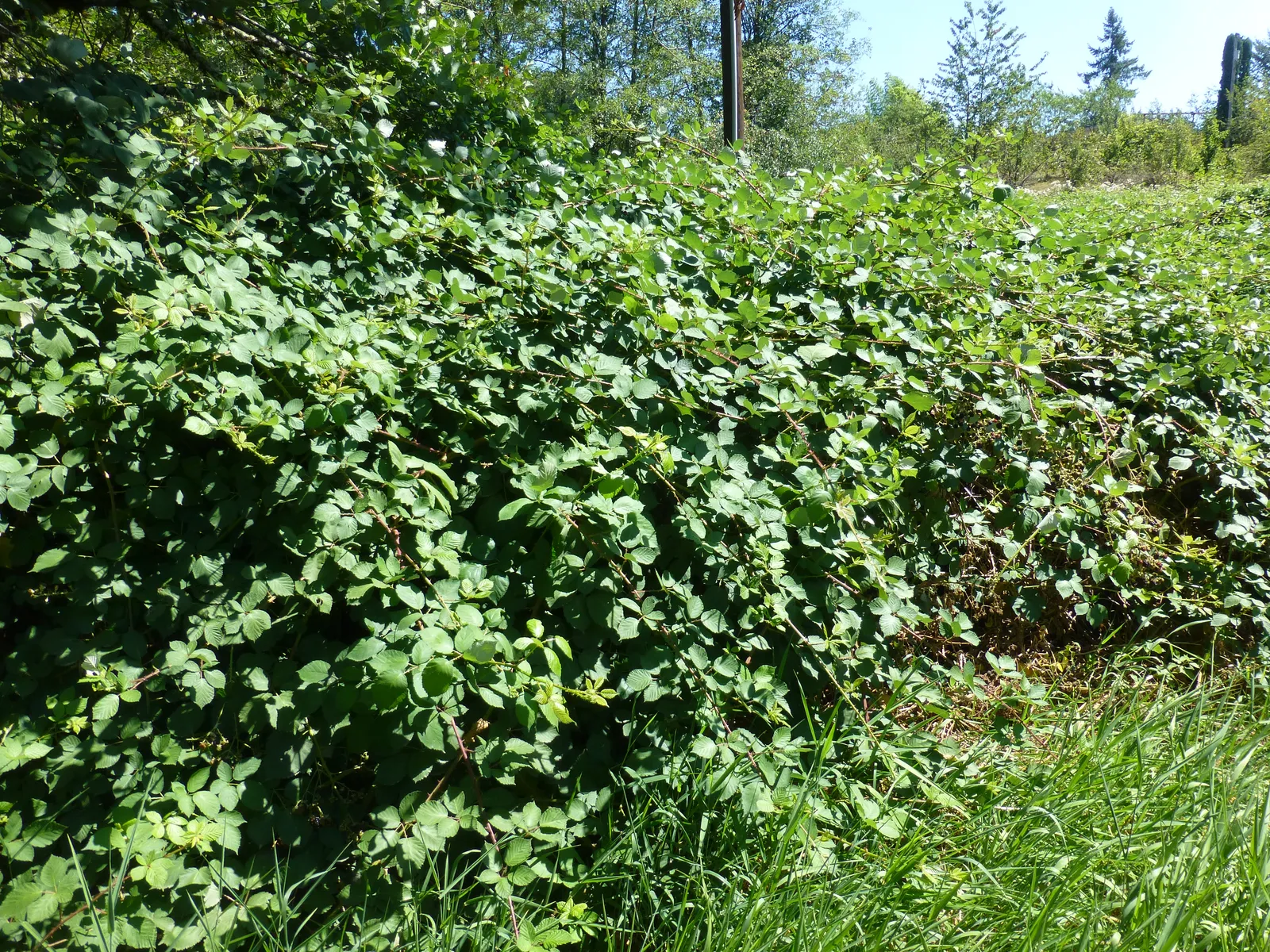
We clear Himalayan blackberry off fields, fence lines, yards and back acreage with mulcher heads. Blackberry regrows from its root crowns, so we plan the follow-up mowing with you.
Learn More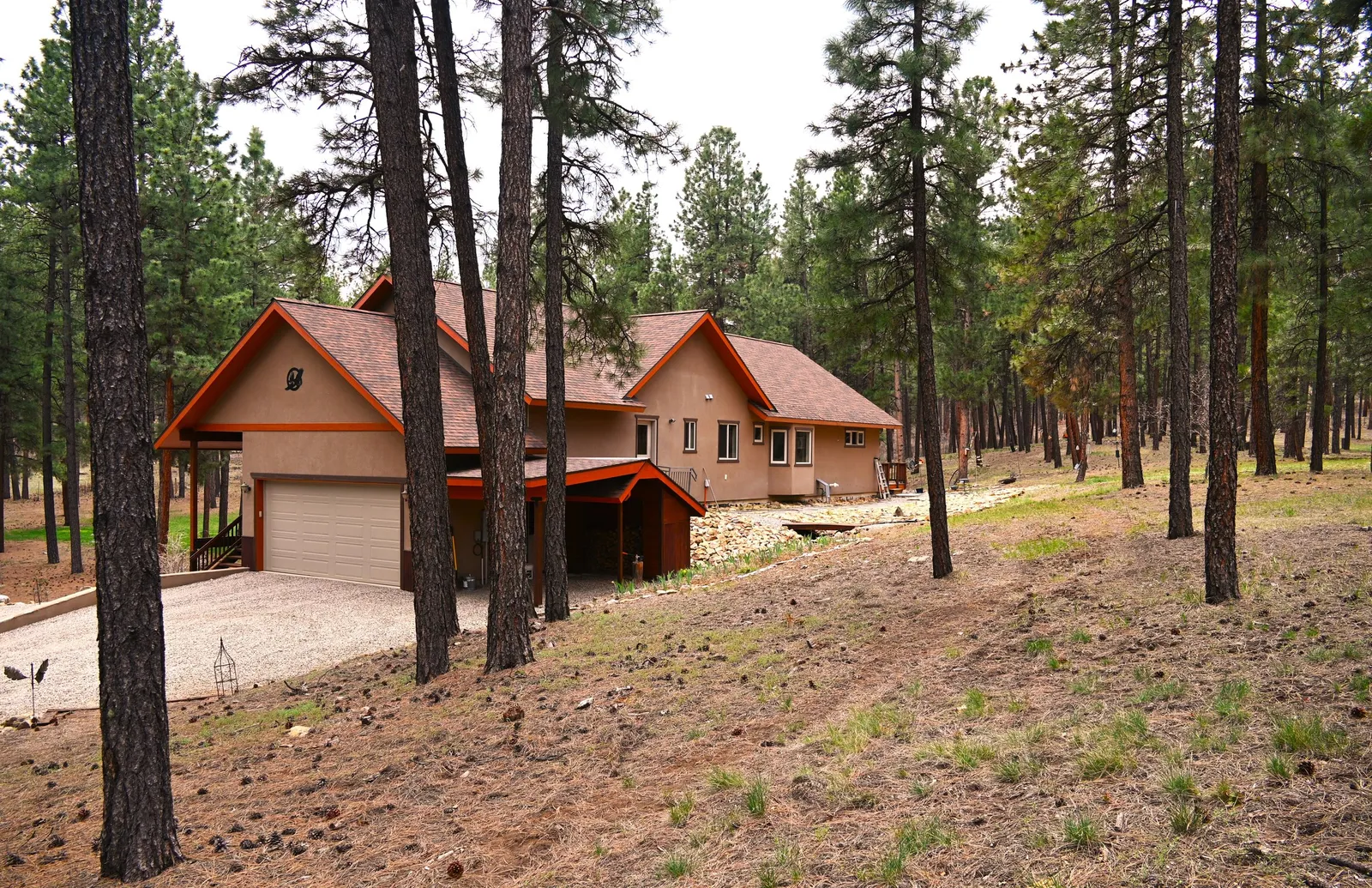
We clear brush, blackberry and small trees back from homes, shops and barns. Machine work across the mid-Willamette Valley, with free estimates.
Learn MoreOur Bobcat skid steer carries a forestry mulcher head and a heavy brush mower. The excavator adds a mulching head and a brush rake, so stumps and root balls come out as we go.
Estimates are free in Linn, Benton, Marion, Polk and Lane counties. Tell us where the property sits and what you want cleared, and we will come look at it.
The same machines cut the growth, mulch the material and smooth the cleared ground. One company covers the work from the first pass to the last look.
Reach us at (541) 936-4687 by call or by text. A few photos of the property help us size up the job before we drive out.
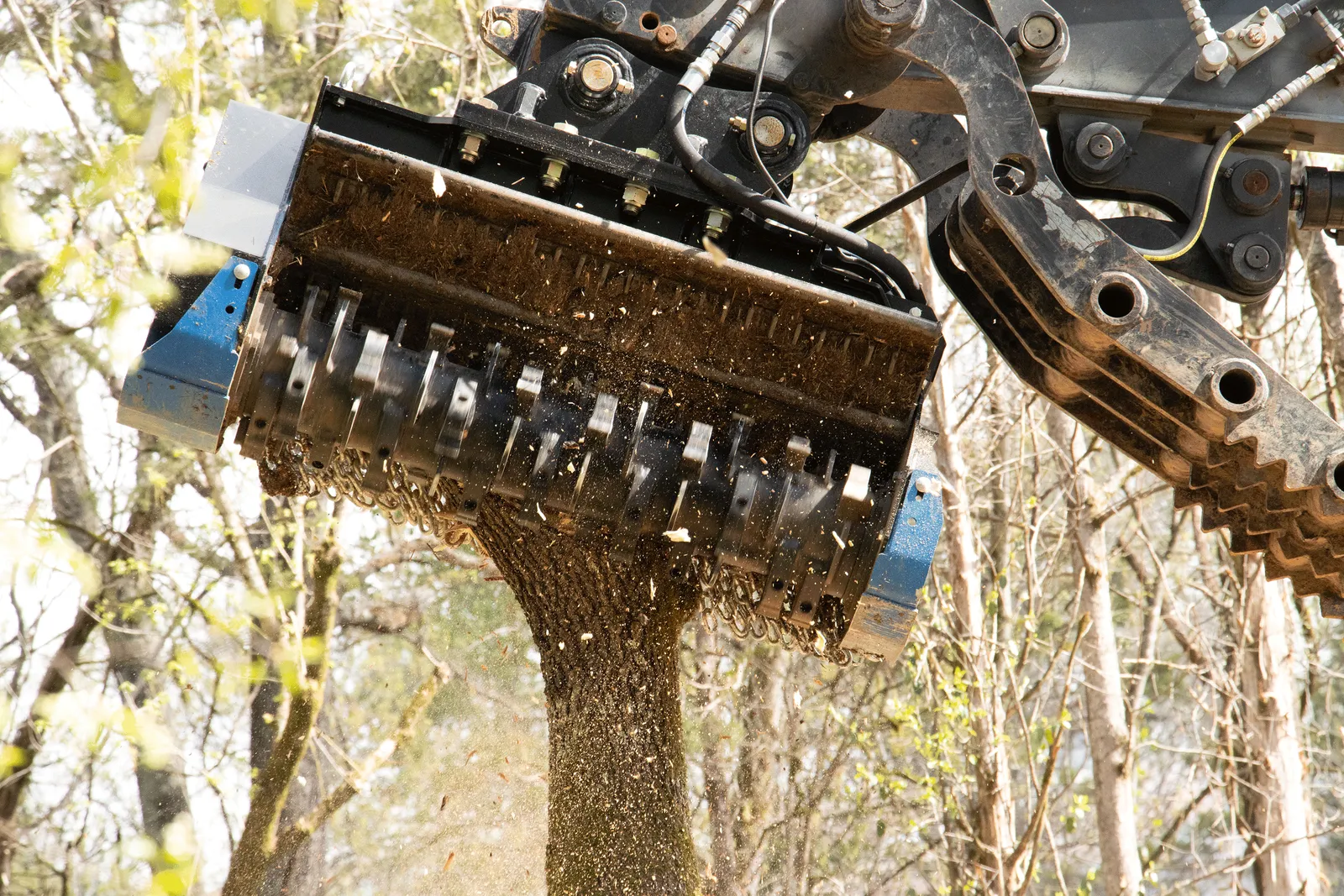
Forestry mulching grinds brush in place. Traditional clearing piles and hauls it. Compare cost, ground impact and Willamette Valley burn rules.
Read more →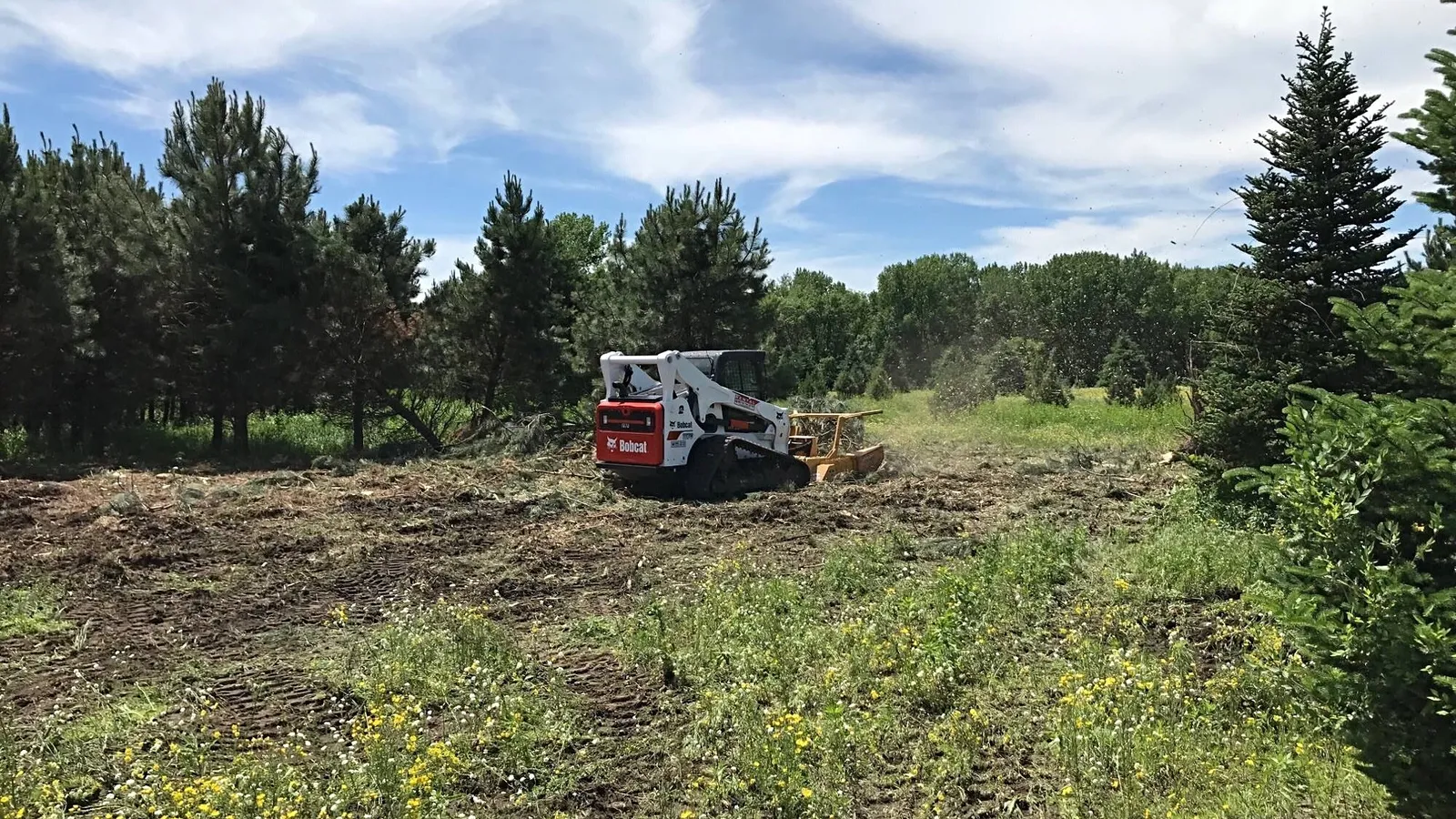
Land clearing in Oregon runs about $1,200 to $8,000 per acre in published cost guides. See what drives the price, then call for a free estimate.
Read more →Tell us where the property is and what you want cleared, and we will set up a look at it. You can also call or text (541) 936-4687.
Tell us about the job. We will get right back to you.