Forestry Mulching
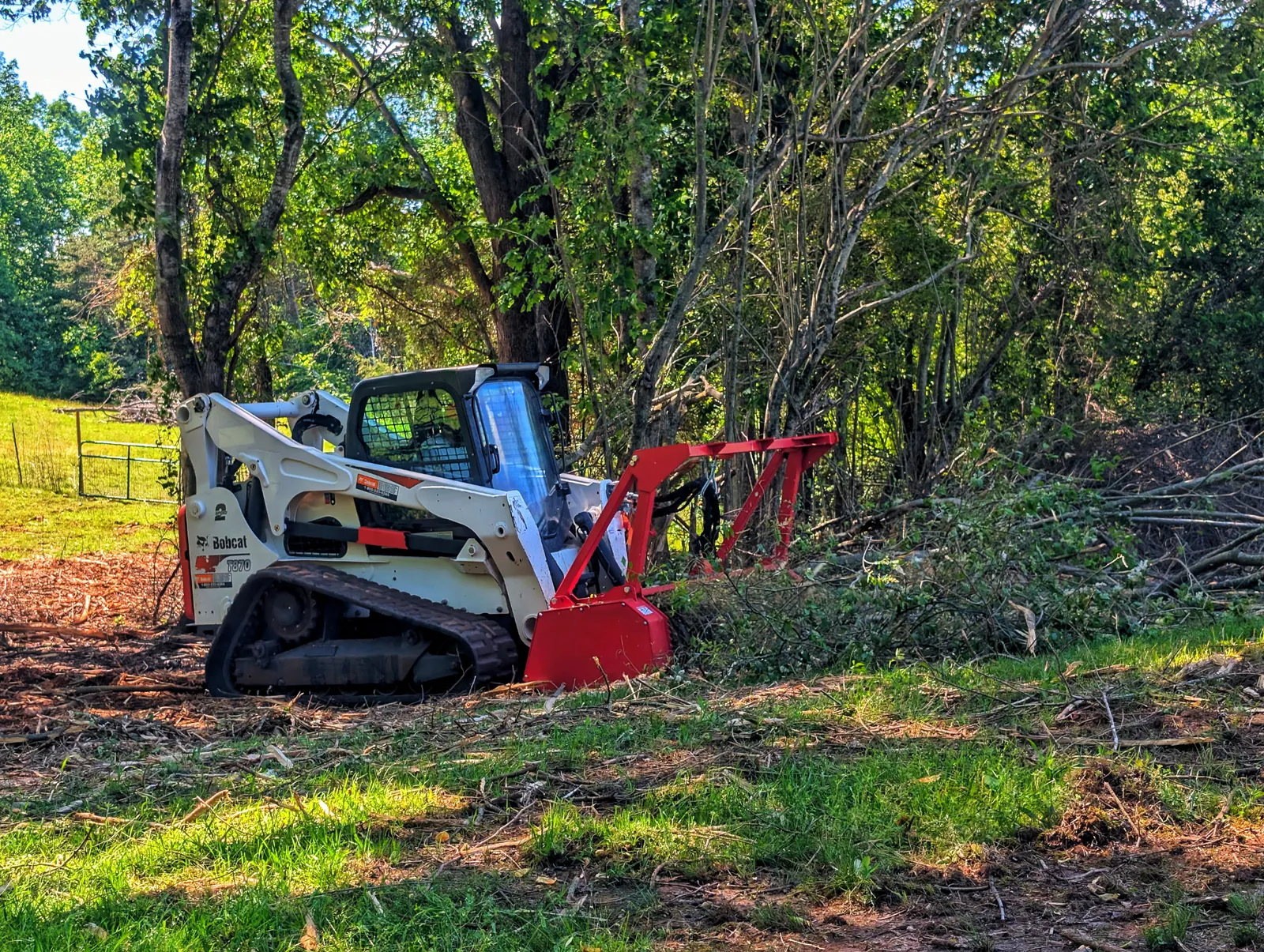
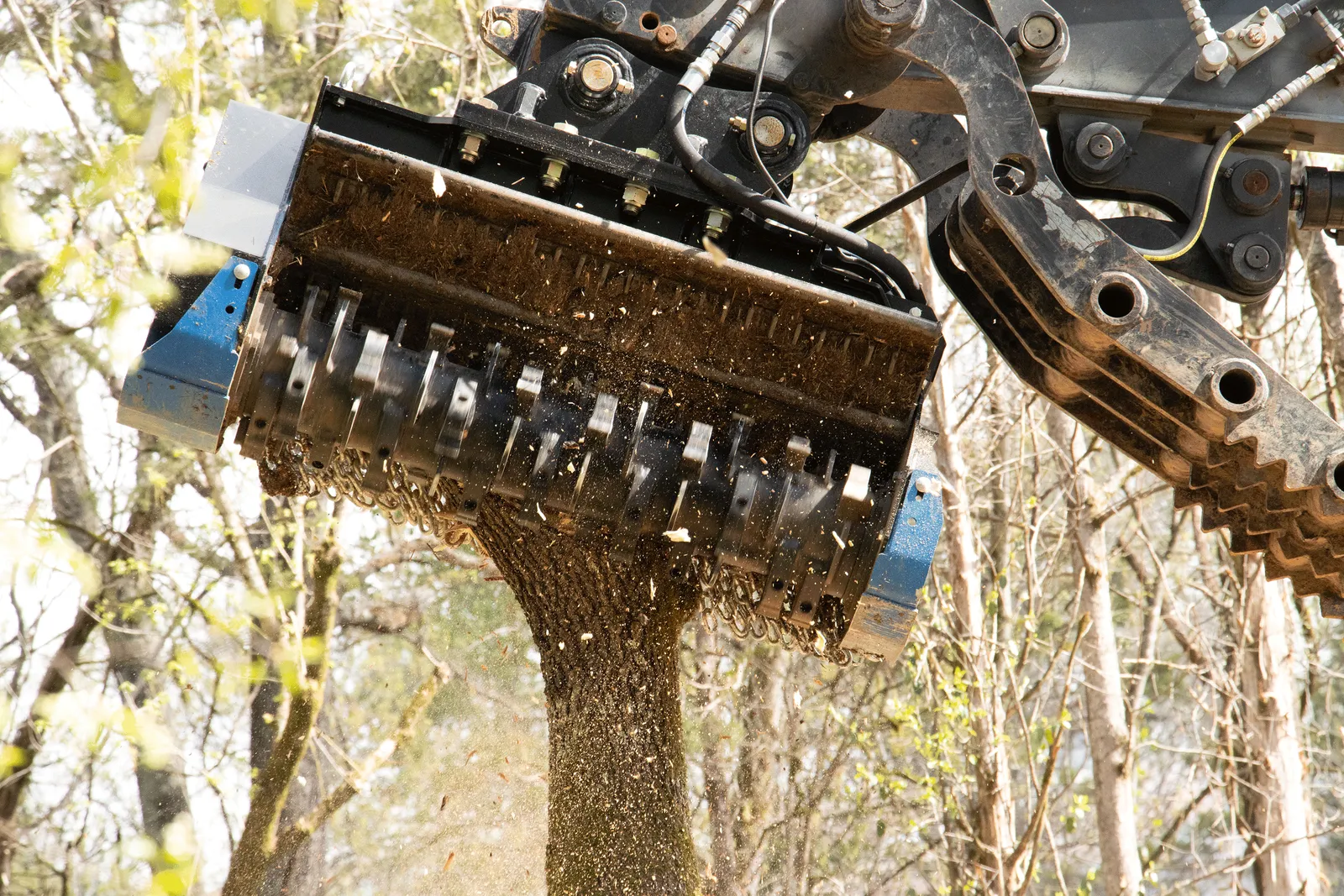
A mulcher head grinds brush and small trees into chips in one pass. You get the ground back under a layer of chips.
Learn More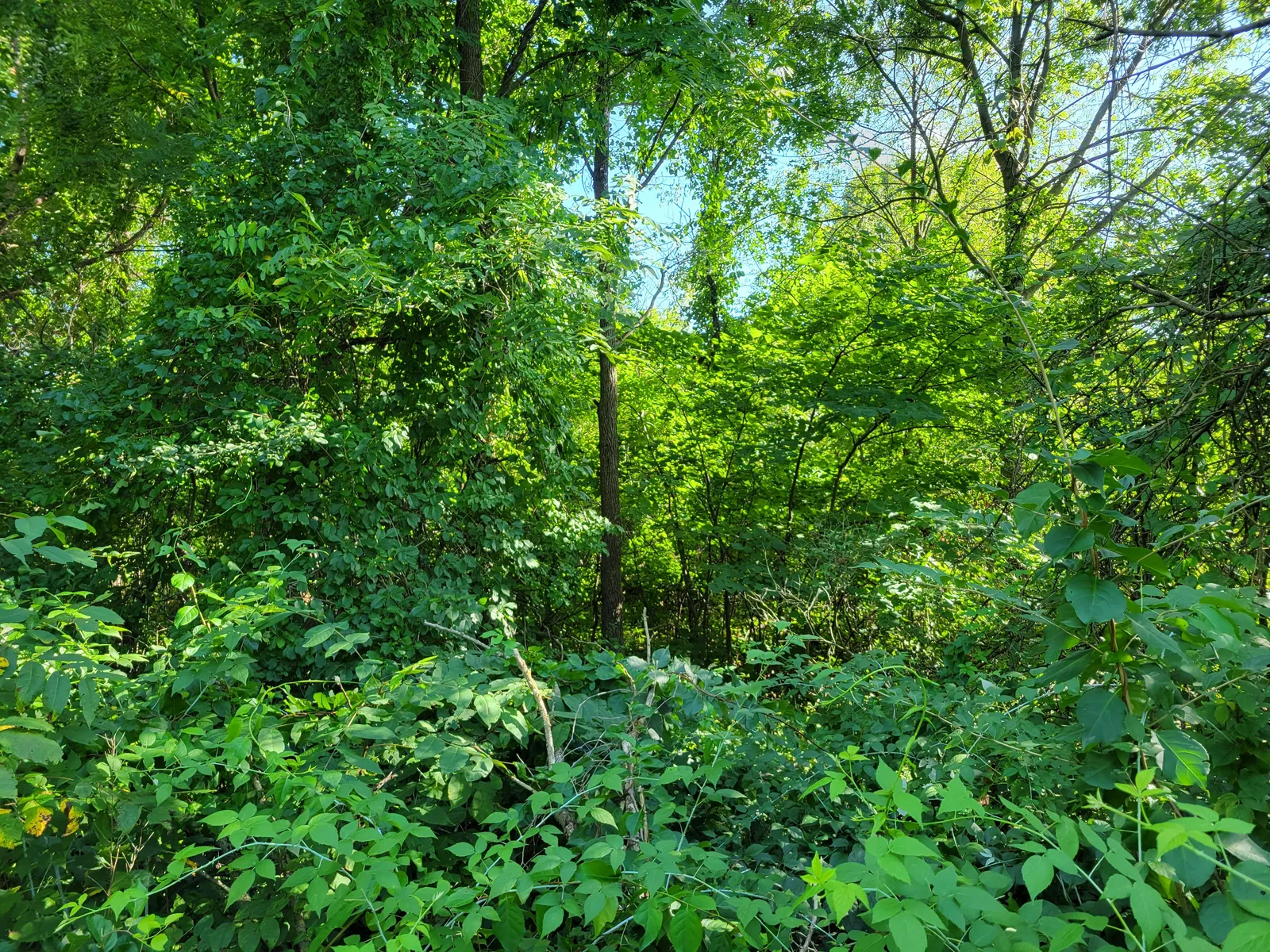
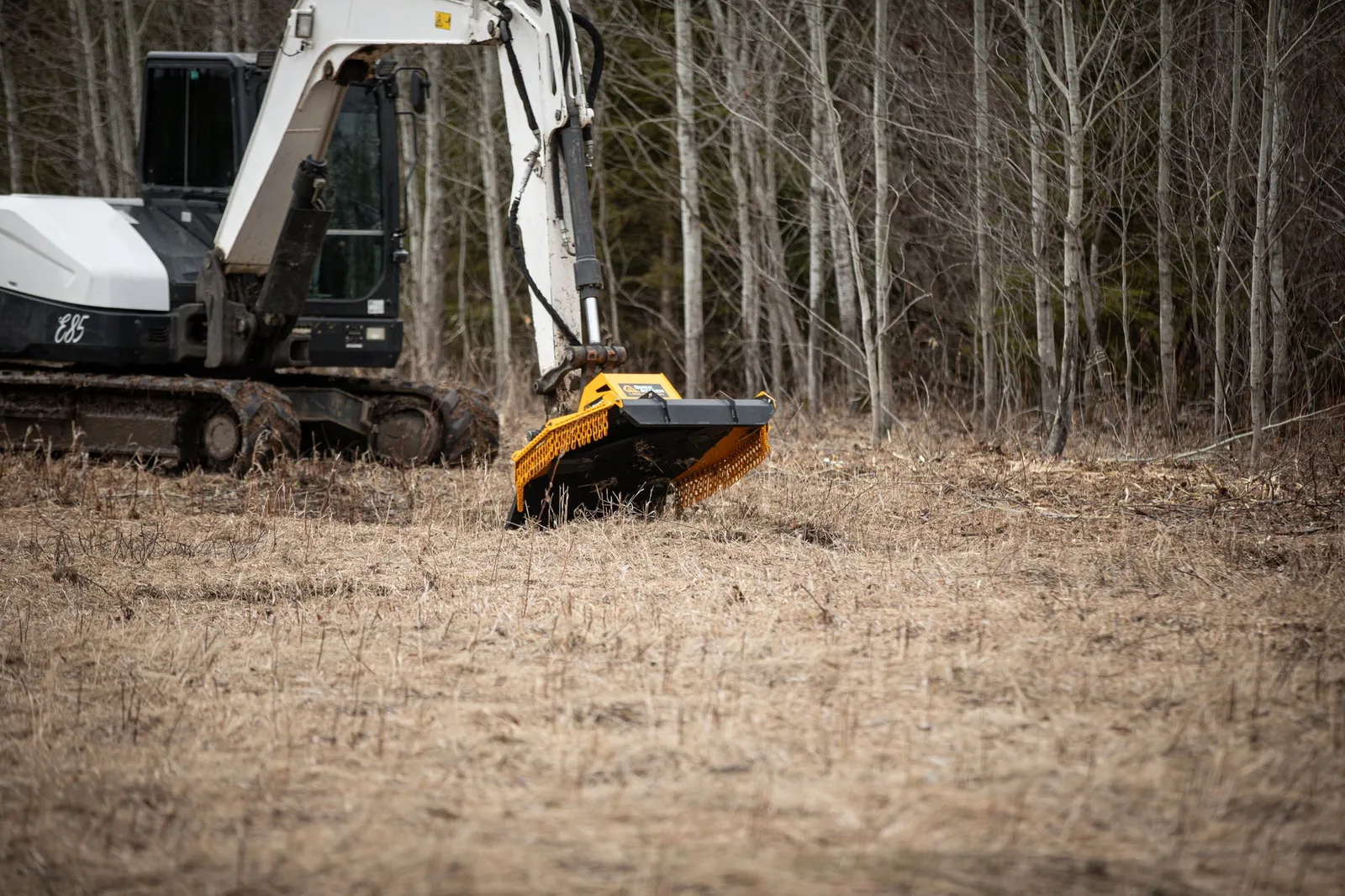
Brush clearing is machine work. We take thick brush, undergrowth and small trees off ground that has closed in around you. Willamette Valley Land Clearing runs a forestry mulcher head and a brush rake on a skid steer and an excavator. Those two machines handle most of what grows in on a mid-Willamette Valley property.
Most brush removal jobs here start the same way. A field edge or a back corner sits untouched a few years, then turns into a wall of growth. We cut it back and leave ground you can drive on and see across. If the whole parcel needs opening up, that becomes full land clearing in Lebanon instead.
Tell us about the job. We will get right back to you.
Brush on a mid-valley property is usually a mix. Himalayan blackberry gets most of the attention, and blackberry removal is its own job. Around it sits Scotch broom, poison oak, hawthorn, and young ash and Douglas fir pushing in from the edge.
Scotch broom is on Oregon's noxious weed list, and western Oregon is full of it. Most plants stand three to five feet tall, and some reach ten. A mature shrub drops thousands of seeds, and that seed stays alive in the soil for years. Taking the standing broom off the ground is the first pass.
Poison oak is the other one people call about. It grows as a low shrub and as a vine that climbs high into a tree. It sprouts back from the root crown and from runners just under the soil. We take it out with the machines, so the work stays inside the cab.
Two things can happen to the material. The mulcher head grinds brush and small trees into chips where they stand, and the chips stay on the ground. Or the brush rake pulls the growth out with the roots, and we rake it into a pile.
Which one fits depends on what you want the ground for. Chips left in place hold the dirt down through a wet valley winter. That is what forestry mulching does, and it is the usual answer on field edges and back acreage.
Raking makes more sense when you want the root balls out, or the ground clean for something else. Burning brush is a different question here. Poison oak oil goes airborne in the smoke, and that smoke is hazardous to breathe. County and fire district burn rules typically change through the year, and we plan around them.
Call or text and tell us what the ground looks like now. We come out, look at the property, and give you a free estimate. From there we set a date that fits the weather and the season.
Before machines dig, Oregon law typically requires a call to 811 for utility locates. Locates usually take about two business days, and we plan around that. In summer, Oregon Department of Forestry fire season rules can limit power equipment hours on some days. The schedule gets built around those too.
Valley ground is soft and wet through the winter, and summer is the dry window. Brush clearing still gets done in the wet months on ground that holds a machine. Once a field is open, brush hogging is what keeps it that way, and that comes later.
From the first call or text to the final look at the cleared ground, here is how it goes.
Tell us where the property is and what you want cleared. Rough acreage and a couple of photos give us a good start.
We come out, look over the ground and talk through the scope with you. Then you get a free estimate for that scope of work.
Before the machines move, we sort out access and timing. Oregon law typically calls for an 811 utility locate ahead of ground-disturbing work. In summer, Oregon Department of Forestry fire season rules can limit power equipment hours. We plan the job around whatever applies to your property.
The mulcher head grinds brush and small trees into chips in place. The brush rake pulls stumps and root balls where the ground has to come clean.
We spread the chips out and smooth the cleared ground where it needs it. Then we go over the finished work with you before we load up.
Common questions about brush clearing across the mid-Willamette Valley. If yours is not here, call or text and ask.
A mulcher head grinds brush and small trees into chips in one pass. You get the ground back under a layer of chips.
Learn More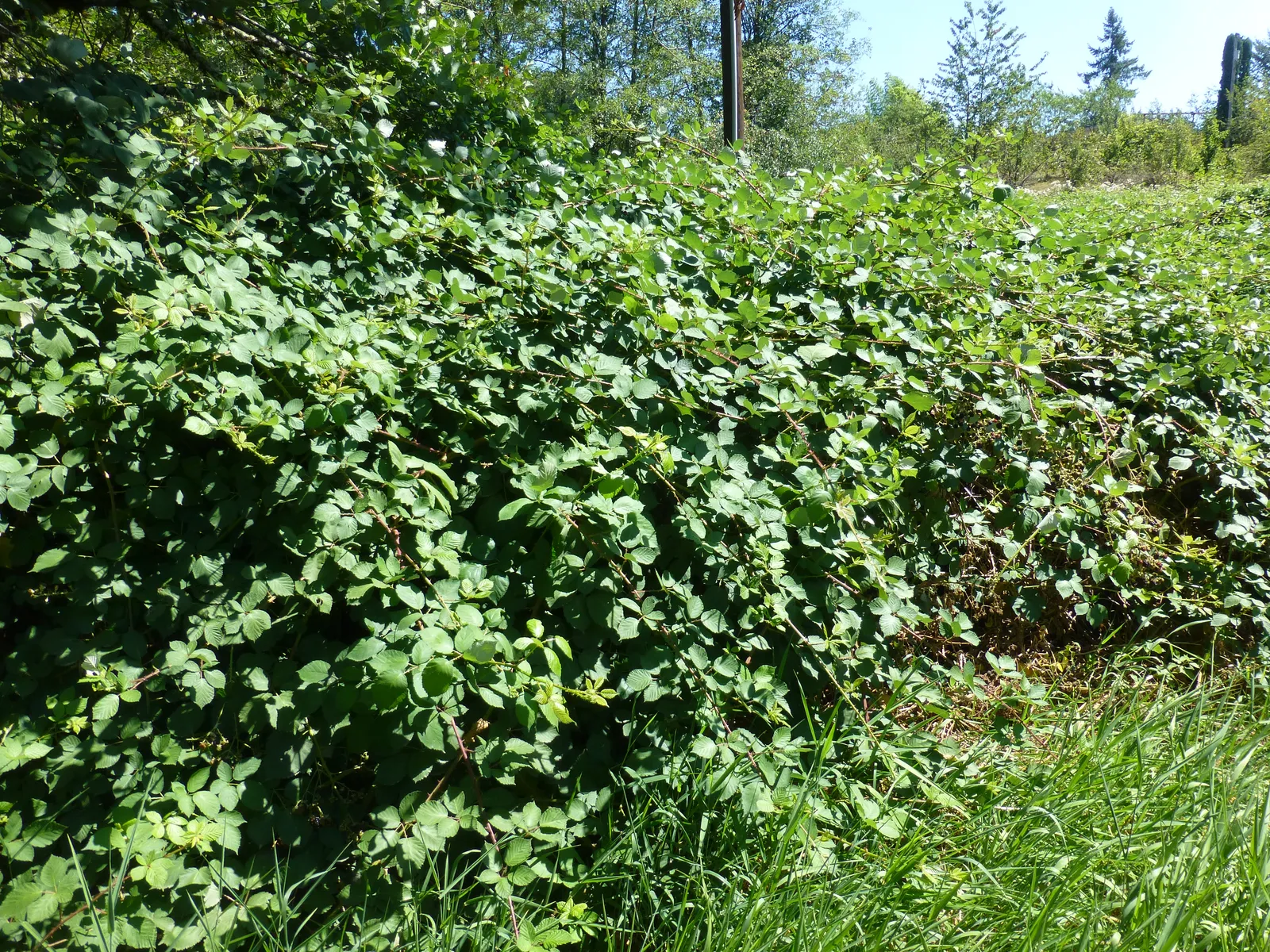
We clear Himalayan blackberry off fields, fence lines, yards and back acreage with mulcher heads. Blackberry regrows from its root crowns, so we plan the follow-up mowing with you.
Learn More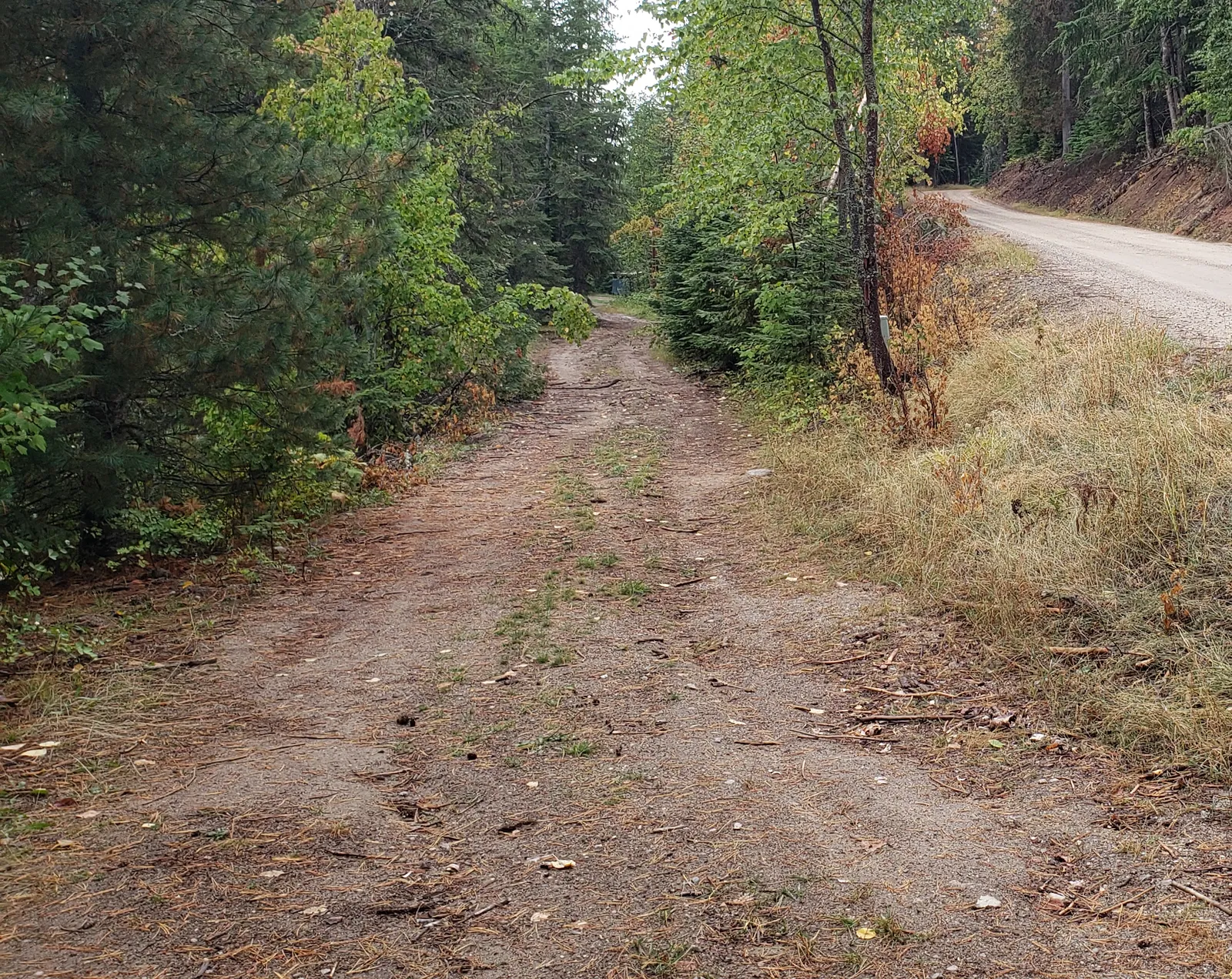
Driveways, farm lanes and access roads that brush has closed in, opened back up. We cut the edges and the overhead, then mulch what comes off.
Learn MoreOur Bobcat skid steer carries a forestry mulcher head and a heavy brush mower. The excavator adds a mulching head and a brush rake, so stumps and root balls come out as we go.
Estimates are free in Linn, Benton, Marion, Polk and Lane counties. Tell us where the property sits and what you want cleared, and we will come look at it.
The same machines cut the growth, mulch the material and smooth the cleared ground. One company covers the work from the first pass to the last look.
Reach us at (541) 936-4687 by call or by text. A few photos of the property help us size up the job before we drive out.
Forestry mulching grinds brush in place. Traditional clearing piles and hauls it. Compare cost, ground impact and Willamette Valley burn rules.
Read more →Himalayan blackberry regrows from root crowns, so one cut never kills it. What works on Willamette Valley ground. Call or text (541) 936-4687.
Read more →Tell us where the property is and what you want cleared, and we will set up a look at it. You can also call or text (541) 936-4687.
Tell us about the job. We will get right back to you.